


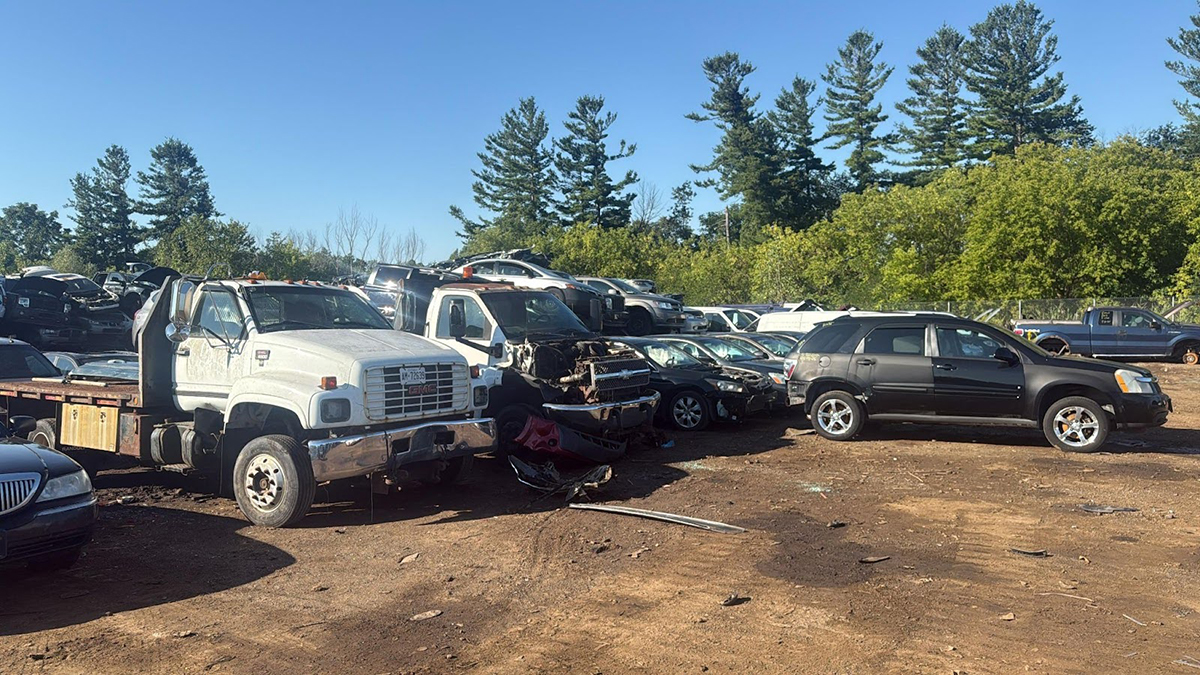
Most cars eventually reach a point where they’re no longer safe to drive, reliable, or worth the cost of repairs. When that time comes, scrapping becomes the next logical step. Licensed facilities take in old vehicles and manage their disposal according to provincial and environmental regulations.
Every year, millions of cars are scrapped across North America. While the process may seem like just another way to clear space, it has broader implications. In this blog, we outline the many car recycling benefits that play a real role in conserving resources and minimizing environmental harm.
1. Cuts Down on Harmful Emissions
Older vehicles pollute more than newer models, often by a wide margin. Engines built before modern emissions standards tend to burn fuel less efficiently, leading to higher output of pollutants like nitrogen oxides (NOx), hydrocarbons, and particulate matter. These pollutants contribute to smog, respiratory issues, and ground-level ozone. Vehicles manufactured before the early 2000s typically lack the advanced catalytic converters, tighter fuel controls, and cleaner combustion technology now required under federal regulations.
Scrapping an old car removes one of the least efficient machines from daily circulation. That shift helps reduce the total number of high-emission vehicles on the road. In many cases, recycling a car prevents it from being resold or exported, where it might continue operating without emissions oversight. Over time, removing these vehicles supports measurable carbon footprint reduction, especially when combined with more efficient transportation options.
The impact might seem small per car, but it adds up quickly when scaled across the millions of old vehicles retired each year.
2. Recycles Valuable Materials
Every scrapped car contains several hundred pounds of recyclable materials, from steel and aluminum to copper, plastics, and glass. Recovering these materials prevents the need to extract new raw resources, which often comes at a high environmental cost.
Steel, for example, is one of the most commonly recycled materials in the world. Reusing it from old vehicles cuts energy use by up to 74% compared to making it raw from virgin ore. Aluminum and copper require even more energy to produce from scratch, so recovery helps reduce emissions tied to mining and processing. These are measurable car recycling benefits that ripple through the supply chain.
On top of metals, car recycling captures usable glass and hard plastics that would otherwise end up in landfills. The process lowers industrial demand, reduces landfill waste, and minimizes the footprint left behind by end-of-life vehicles.
3. Reduces Landfill Waste and Vehicle Dumping
Cars weren’t designed to break down in nature. Tires, glass, plastics, and treated metals can sit in landfills for decades without degrading. Older vehicles also contain toxic elements like lead, mercury, and battery acid, which leach into soil and water when dumped improperly.
Abandoned cars pose an even greater risk. Illegally discarded vehicles often leak fluids into the ground, attract pests, and lower property values in nearby areas. Municipalities spend millions every year removing these hazards, not to mention the strain on landfill capacity when entire vehicles end up buried.
Scrapping diverts thousands of pounds of non-biodegradable material from waste streams. Services like scrap car removal make it easier to dispose of end-of-life vehicles responsibly, helping reduce landfill overflow and community waste concerns. That difference manifests itself in cleaner lots, safer soil, and fewer municipal cleanup costs.
4. Reduces Industrial Energy Consumption
Each time raw materials are processed, factories consume electricity, burn fossil fuels, and release carbon into the atmosphere. That footprint grows fast when scaled to millions of vehicles.
Scrapping old cars slows the cycle. Instead of starting from scratch, manufacturers can use recovered materials in new production. This change cuts demand on energy-intensive operations like steel smelting and aluminum refining—two of the most carbon-heavy stages in global manufacturing.
These energy savings matter, since industrial manufacturing accounts for roughly 23% of greenhouse gas emissions in the U.S., much of it tied to resource processing. Car recycling helps lower that number by keeping usable materials in circulation longer.
5. Prevents Toxic Waste from Leaking into Soil and Water
Cars contain a mix of fluids that can contaminate the environment if handled carelessly. Brake fluid, transmission fluid, motor oil, and antifreeze all contain chemicals that seep into the ground and water systems when left in junked or abandoned vehicles. Even small leaks can introduce heavy metals and hydrocarbons into soil, polluting groundwater and harming local ecosystems.
Auto recyclers drain these fluids before dismantling begins. Trained technicians remove, store, and either dispose of or reuse them following strict environmental guidelines. This process keeps pollutants out of landfills, waterways, and surrounding communities. When done properly, eco-friendly car disposal protects both drinking water supplies and nearby vegetation from long-term damage.
Letting these fluids leak into the ground isn’t just careless, as it’s also illegal in many regions. Scrapping your car through certified facilities ensures these toxic substances don’t become an invisible hazard buried beneath the surface.
6. Supports the Circular Economy
Cars don’t need to go to waste just because they’ve stopped running. Many components—batteries, tires, catalytic converters, even seat fabric—still have value long after a vehicle is off the road. Auto recyclers strip usable parts and route them into new applications, resale markets, or material recovery streams.
Each part reused means one less resource extracted or manufactured from scratch. This keeps valuable metals and polymers in circulation, cuts down on industrial waste, and reduces the energy required for new production. It also creates a ripple effect that shows in fewer mined materials, less pressure on supply chains, and more sustainable practices industry-wide.
So, is scrapping your car eco-friendly? Yes, when done through proper recycling channels, it becomes a key part of the circular economy. Instead of ending up in a landfill, your old car helps power a cycle of reuse and recovery that benefits both the environment and the economy.
Turn Your Old Car Into an Environmental Win
Scrapping a car might feel like the end of the road, but it starts a chain of actions that directly benefit the environment. From lowering emissions and reclaiming valuable materials to preventing hazardous waste and supporting sustainable production, responsible disposal turns an old vehicle into an opportunity for impact.
Every car owner plays a role in this system. Choosing certified recycling facilities over landfills or informal dump sites ensures that each part is recovered and managed safely. Services vary by region, so take time to research local options. Many licensed providers follow strict environmental standards and make the process easy from pickup to paperwork.
When done right, scrapping a car isn’t just a way to clear space in the driveway. It’s a simple, tangible step toward a cleaner, less wasteful future.